Resin-Coated (RC) vs. Fiber-Based (FB) Photographic Paper
Black-and-white photographic papers fall into two principal categories: resin-coated (RC) and fiber-based (FB). Both produce excellent prints, but they differ in processing requirements, handling characteristics, and long-term preservation.
Resin-Coated (RC) Paper
RC paper features a polyethylene-coated base that allows for shorter washing times, faster drying, and prints that generally remain flat. Its convenience and economy make it ideal for contact sheets, test prints, and everyday darkroom work. Modern RC papers offer improved image stability, although their long-term preservation record is less established than that of traditional fiber-based papers.
Fiber-Based (FB) Paper
FB paper uses a traditional absorbent paper base, typically with a baryta layer beneath the emulsion. It requires longer washing and careful drying to minimize curling. Properly processed and stored fiber-based silver-gelatin prints have a documented preservation record extending beyond a century, making them a well-established choice for archival and fine-art photography.
Which Should You Choose?
RC paper offers convenience, economy, and excellent image quality. FB paper demands more time and attention but provides traditional surface characteristics and a longer-established archival record. The choice depends on your printing goals, working methods, and preservation priorities.
A Note on Paper Sizes, Surfaces, and Quantities
Purchasing links in this guide generally feature 8 × 10-inch packages containing 25 sheets. Other sizes, surface finishes, and package quantities may be available from the retailer.
Photographic Paper Manufacturers
Ilford Photo
Ilford has been a leading name in black-and-white photography for more than a century. Manufactured in England by Harman Technology, Ilford photographic papers remain popular with beginners and experienced darkroom printers alike.
Its Multigrade range offers variable-contrast papers in both resin-coated and fiber-based varieties, allowing photographers to control contrast through enlarger filtration.
Among its principal offerings are:
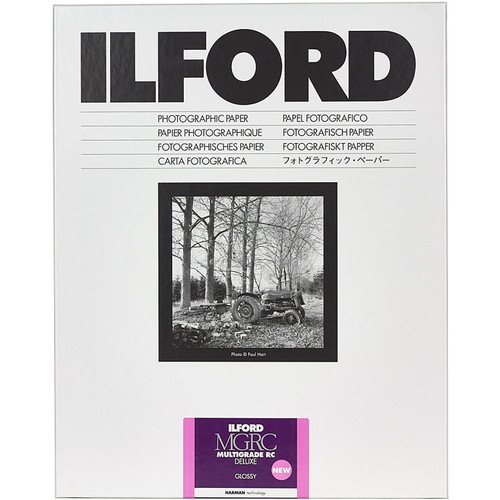
Multigrade RC Deluxe:
A versatile, easy-to-process paper suitable for beginners and everyday printing.
Where to Buy:
Ilford offers this convenient and economical value pack:
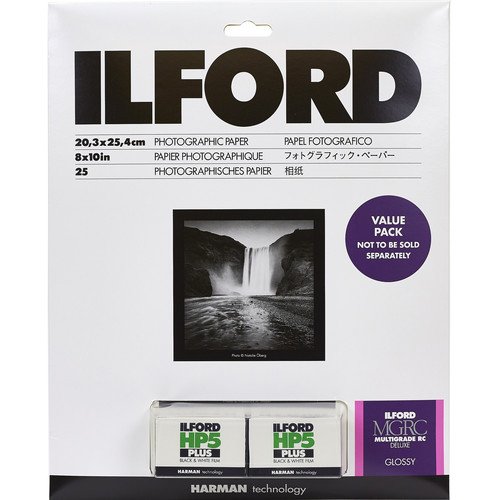
Multigrade RC Portfolio:
A convenient value pack combining resin-coated, variable-contrast photographic paper with HP5 Plus black-and-white film, suitable for beginners and photographers exploring traditional darkroom printing.
Where to buy:
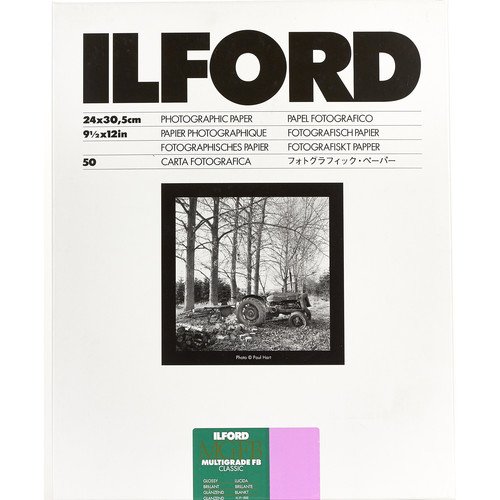
Multigrade FB Classic:
A traditional fiber-based paper offering neutral image tones, rich blacks, and excellent tonal separation.
Where to buy:
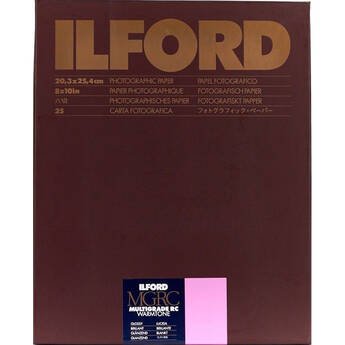
Multigrade RC Warmtone:
A resin-coated paper producing warm image tones and smooth tonal gradation, particularly suitable for portraits and traditional darkroom printing.
Where to buy:
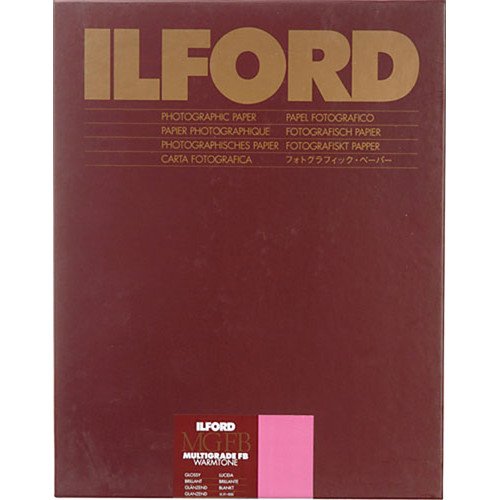
Multigrade FB Warmtone:
A fiber-based paper producing warmer image tones, particularly attractive for portraits and traditional fine-art printing.
Where to buy:
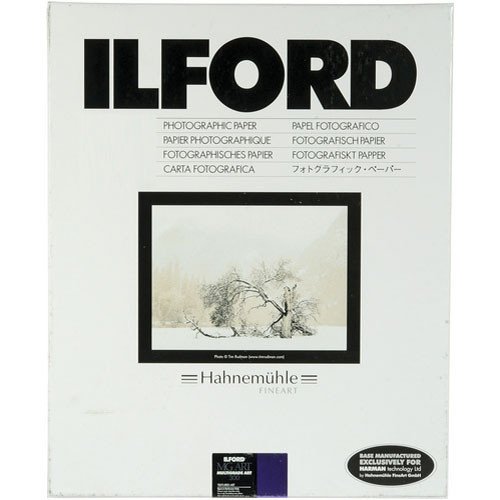
Multigrade Art 300:
A distinctive heavyweight cotton-rag paper with a textured matte surface and subtle eggshell sheen, particularly suited to fine-art presentation and toning.
Where to buy:
Foma Bohemia: A Distinctive Alternative to Ilford
For photographers interested in exploring alternatives to the familiar Ilford range, Foma Bohemia offers an excellent selection of traditional black-and-white photographic papers. Manufactured in the Czech Republic, Foma papers have earned a following among darkroom enthusiasts for their distinctive tonal characteristics, variety of surfaces, and attractive pricing. From economical resin-coated papers to fiber-based products suitable for fine-art printing, Foma provides photographers with opportunities to experiment without compromising their artistic ambitions.
Fomaspeed Variant 311:
A variable-contrast, resin-coated paper with a glossy surface. Its convenient processing makes it suitable for everyday enlargements, contact sheets, and proof prints.
Where to buy:
Fomabrom Variant 111:
A traditional fiber-based, variable-contrast paper with a glossy baryta surface, offering neutral image tones and excellent tonal control.
Where to buy:

Fomatone MG Classic 131:
A warmtone, fiber-based paper with a cream-colored base and semi-gloss surface. Particularly interesting for portraits, lith printing, and creative toning techniques.
Where to buy:
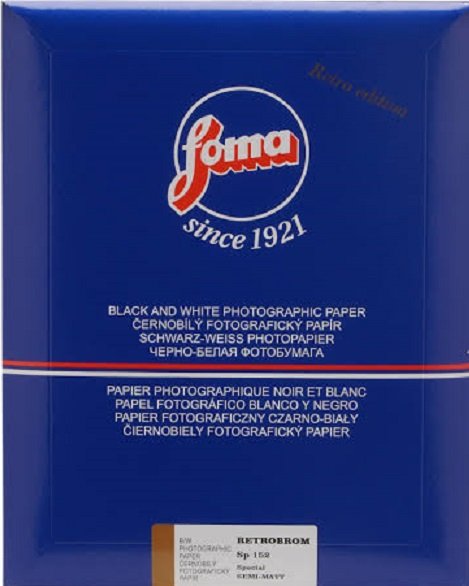
FOMA Retrobrom 152:
A semi-matte, fiber-based, fixed-grade black-and-white photographic paper featuring a distinctive warm greenish-brown image tone. Ideal for creating vintage-style photographs and expressive fine-art darkroom prints.
Where to buy:
Bergger: A Distinctive Choice for Fine-Art Photography
Bergger offers a selection of traditional black-and-white photographic papers valued for their tonal characteristics, distinctive surfaces, and suitability for fine-art darkroom printing. Its fiber-based papers provide photographers with additional creative options for producing expressive silver-gelatin prints.
A Note on Bergger Resin-Coated Papers
Bergger’s Prestige RC1 resin-coated paper is listed in glossy and lustre finishes but is currently marked as coming soon in the United States. We will revisit these products when they become readily available.
Bergger Fiber-Based Photographic Papers
The following Prestige papers offer a variety of image tones and surface finishes, allowing photographers to select materials that complement their individual printing styles.
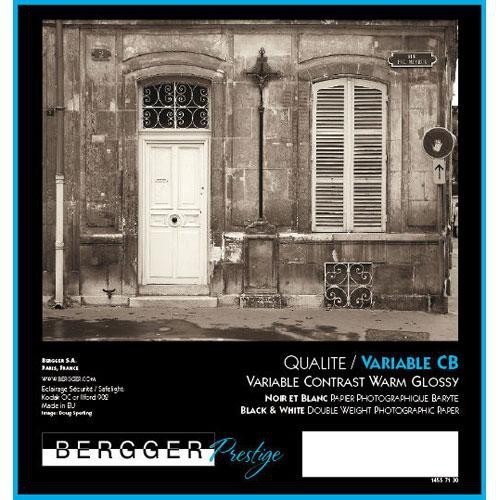
Bergger Prestige Variable CB (Glossy)
A warmtone, fiber-based, variable-contrast photographic paper with a glossy baryta surface, offering rich blacks and excellent tonal separation.
Where to buy:
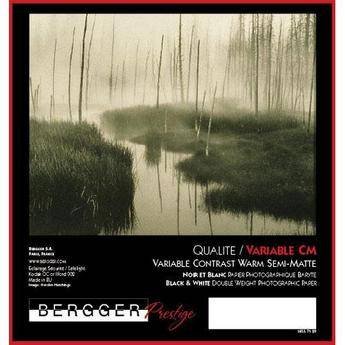
Bergger Prestige Variable CM (Semi-Matte)
A warmtone, fiber-based, variable-contrast photographic paper with a semi-matte surface, offering smooth tonal gradation and a subdued finish particularly suited to portraits and fine-art printing.
Where to buy:
Final Thoughts: Choosing the Right Photographic Paper
Choosing photographic paper is as much a creative decision as a technical one. Each manufacturer offers distinctive characteristics in image tone, contrast, surface texture, and overall appearance.
While resin-coated papers provide convenience and ease of processing, fiber-based papers offer traditional finishing characteristics and a long-established archival record. Neither choice guarantees a better photograph; much depends on the negative, the printing process, and the photographer’s vision.
Experimenting with different papers is one of the pleasures of traditional darkroom photography. A familiar negative can take on an entirely different character simply by changing the paper on which it is printed.