Processing black-and-white film requires only a few essential pieces of equipment. Developing tanks, film reels, accurate thermometers, graduated measuring cylinders, and reliable timers are fundamental tools for achieving consistent results. Whether you’re a student learning the process or an experienced photographer, choosing dependable equipment is an important part of producing quality negatives.
Developing tanks are essential for processing black-and-white film, allowing chemical solutions to be introduced and drained while keeping the film protected from light. Most tanks use either plastic or stainless-steel reels to hold the film securely and ensure even chemical contact during development. Plastic tanks, such as those manufactured by Paterson, are popular for their ease of use, while stainless-steel systems are valued for their durability and efficient handling. Both designs can produce excellent results, making personal preference, reliability, and ease of loading important considerations when choosing a developing tank.
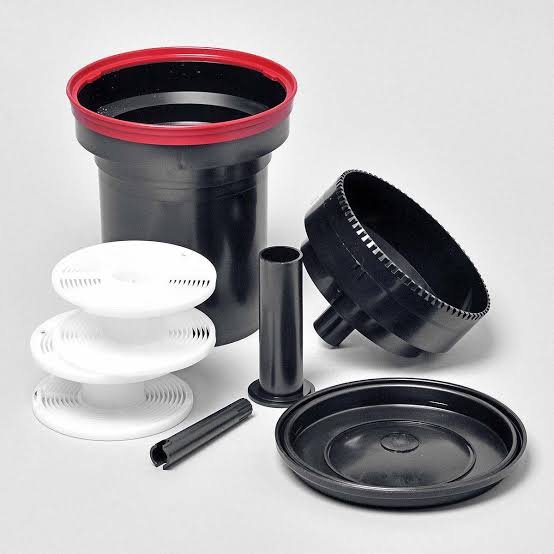
Paterson plastic reels feature an easy-loading ratchet mechanism and adjust to accommodate both 35mm and 120 film, but must be completely dry before use. Stainless-steel reels require more practice and are format-specific, but their durability and ease of drying make them ideal for processing multiple rolls.
Where to buy: B&H Photo
Explore Additional Developing Tanks
For photographers interested in comparing other brands, sizes, and price ranges, Amazon offers a selection of developing tanks and reels.
Browse Developing Tanks on Amazon
Stainless-Steel Developing Tanks and Reels
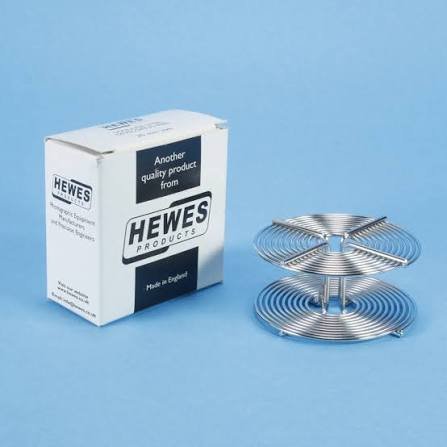
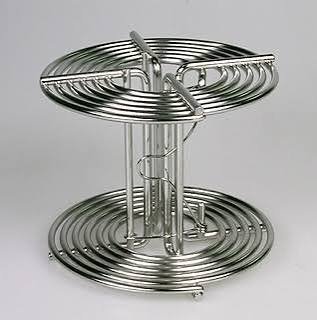
For photographers who prefer stainless-steel developing equipment, Hewes reels are a well-established choice, particularly appreciated for their sturdy construction and reliable film-loading design. Unlike adjustable plastic reels, stainless-steel reels are manufactured for specific film formats, requiring separate reels for 35mm and 120 film. Hewes reels can be paired with compatible stainless-steel developing tanks, including suitable Samigon models. Their durability and ease of drying make stainless-steel systems particularly convenient for photographers processing multiple rolls of film in succession.
Why Reel Quality Matters
Not all stainless-steel developing reels are manufactured to the same standard. One of the most important considerations is the accuracy and consistency of the wire spiral that supports the film. In my experience, some inexpensive reels have poorly aligned or unevenly spaced coils, making film loading difficult and increasing the risk of adjacent sections overlapping or touching during development. When this occurs, processing chemicals may not reach the affected areas evenly, potentially leaving permanent defects on the negatives. This is particularly distressing when an irreplaceable photograph is involved. For this reason, I consider a well-manufactured reel a worthwhile investment, especially for photographers who regularly process valuable or important work.
Where to buy 35mm reels:
Where to buy 120 reels:
Stainless-Steel Developing Tanks
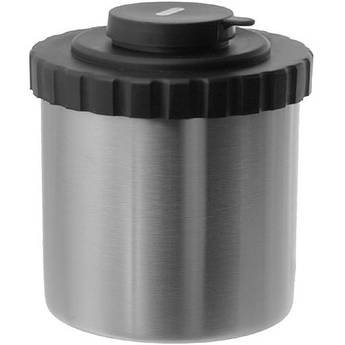
Stainless-steel developing tanks offer a durable and practical alternative to plastic systems, particularly for photographers who process film frequently. Their construction allows them to be cleaned and dried quickly, making them well suited to repeated use throughout a busy processing session. Tanks are available in different capacities, accommodating anything from a single 35mm reel to several reels at once. Unlike plastic tanks with integrated reel-loading systems, stainless-steel tanks generally use separately purchased reels, so compatibility and tank capacity should be checked carefully before buying. A well-made tank should have a dependable light-tight lid, allow chemicals to be poured and drained efficiently, and provide sufficient space for the intended film format and number of reels.
Where to buy:
Darkroom Thermometers and Temperature Control
Accurate temperature control is essential for consistent black-and-white film development. Most conventional film developers are designed around a standard processing temperature of 68°F (20°C), although recommended temperatures and development times vary according to the film and developer combination. Even relatively small temperature differences can affect development activity and, consequently, the density and contrast of the resulting negatives.
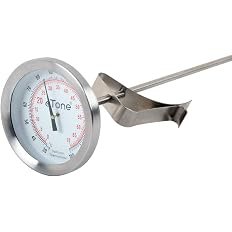
Stainless-steel dial thermometers are a practical choice for both students and experienced darkroom workers. Their durable construction, easy-to-read dials, and resistance to breakage make them particularly useful in busy processing environments. Unlike fragile glass thermometers, stainless-steel models are well suited to frequent handling and can be used to monitor the temperature of developing solutions and water baths.
Accuracy, however, is more important than construction alone. A good darkroom thermometer should provide clear readings within the normal photographic processing range and should be checked periodically against a reliable reference thermometer. With proper care, a quality stainless-steel thermometer can provide many years of dependable service.
There are many options available from a variety of retailers. This particular model from eTone has a stem over 8″ long, making it handy for those using deep, 4-reel 35mm or 2-reel 120 developing tanks. Its long stem and relatively modest price make it a practical option worth considering, although accuracy should always be checked against a reliable reference thermometer.
Graduated Measuring Cylinders and Chemical Mixing
Accurate measurement of photographic chemicals is essential for preparing developers, stop baths, and fixing solutions at their proper working concentrations. Graduated cylinders and measuring vessels are available in both glass and plastic, with each offering advantages depending on the photographer’s needs and budget.
Glass measuring cylinders are often preferred for their chemical resistance, ease of cleaning, and clearly defined graduations. A well-made laboratory-grade glass cylinder can provide years of reliable service when handled carefully. However, glass equipment can be expensive and is vulnerable to breakage, particularly in busy teaching environments.
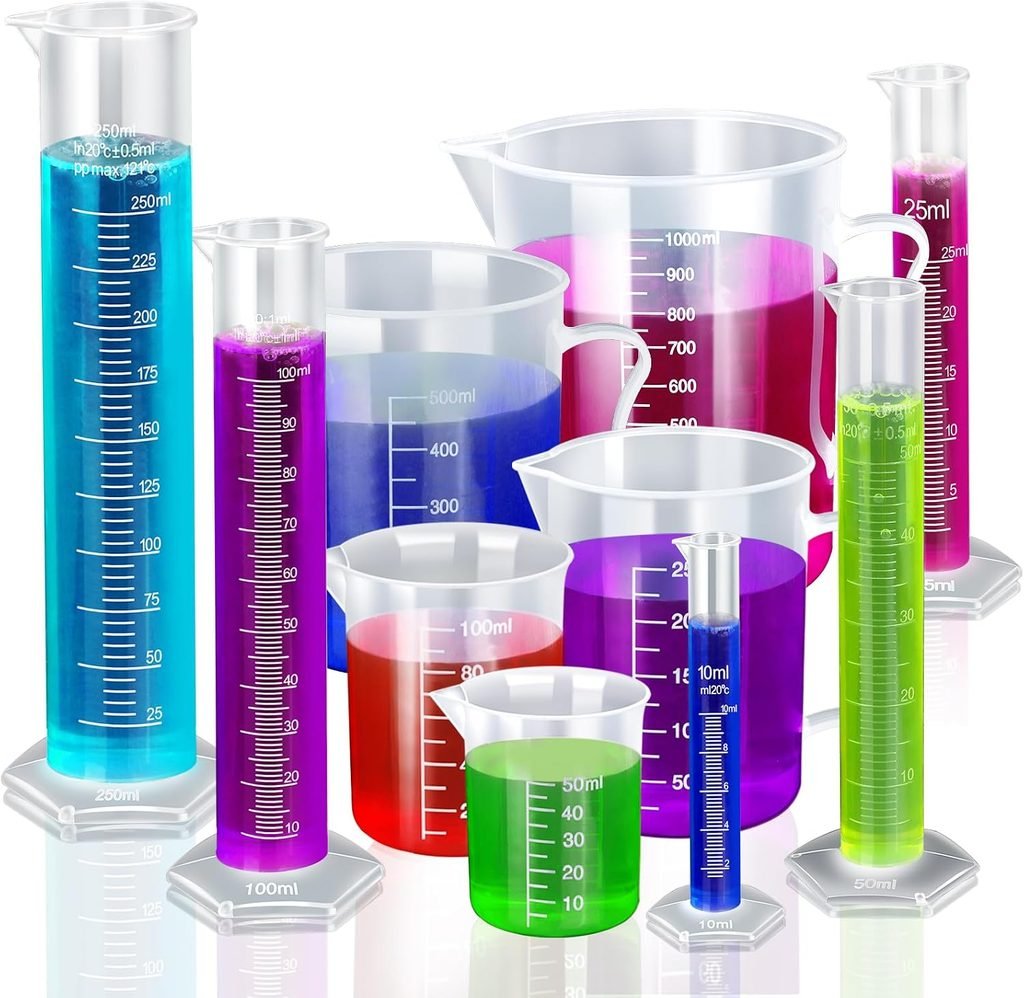
Plastic measuring cylinders offer an economical and practical alternative, especially for students and photographers assembling their first darkroom. In my own darkroom, as well as those I worked in during college, plastic measuring vessels were clearly identified with permanent marker to distinguish their intended uses. Assigning separate, clearly labeled vessels to developer, stop bath, and fixer helps reduce the possibility of chemical cross-contamination, which can adversely affect processing results.
Regardless of the material chosen, measuring equipment should be chemically compatible with the solutions being used, thoroughly cleaned after use, and reserved exclusively for photographic processing. Appropriate protective equipment and careful handling are also important, as some photographic chemicals can cause irritation, staining, or more serious health effects.
A well-made, clearly graduated glass cylinder is an excellent choice for photographers who appreciate the durability, chemical resistance, and precision of professional laboratory equipment. However, quality plastic measuring cylinders remain a practical and economical alternative, capable of providing years of dependable service when properly maintained.
For photographers assembling their first darkroom, this inexpensive set of plastic graduated cylinders offers a range of measuring capacities worth considering. As with any measuring equipment, the clarity of the graduations, chemical compatibility, and accuracy should be checked before use.
Where to buy:
Glass Graduated Measuring Cylinders: Choosing the Right Size
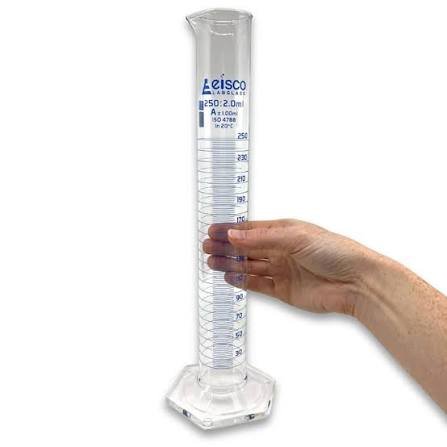
For photographers who prefer glass measuring equipment, laboratory-grade graduated cylinders offer excellent chemical resistance, clear measurement markings, and ease of cleaning. Borosilicate glass cylinders are particularly well suited to darkroom use, provided they are handled carefully and protected from accidental breakage.
Although glass cylinders are available in numerous capacities, purchasing a large laboratory assortment is generally unnecessary for photographic processing. Three sizes are particularly worth considering:
| Capacity | Recommended Use | Product Link |
|---|---|---|
| 100 mL | Measuring smaller quantities of concentrated developers and other photographic solutions. | View 100 mL Glass Cylinder |
| 250 mL | Measuring moderate quantities of chemicals when preparing working solutions. | View 250 mL Glass Cylinder |
| 1,000 mL | Measuring larger volumes of developer, stop bath, fixer, and other processing solutions. | View 1,000 mL Glass Cylinder |
Smaller cylinders are particularly useful when accurate measurements of concentrated chemicals are required. Larger cylinders provide greater capacity but generally have wider graduation intervals, making them less suitable for measuring small quantities.
An Alternative: Glass Measuring Cylinder Sets
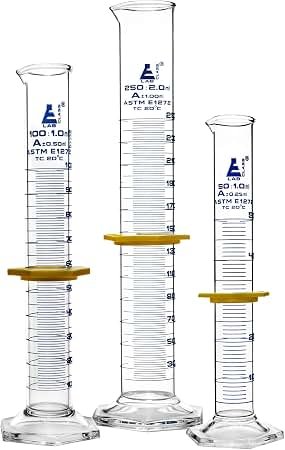
For photographers establishing a new darkroom, purchasing a set of borosilicate glass measuring cylinders may offer a convenient and economical alternative to buying individual pieces. Before selecting a set, consider whether the included capacities suit your processing requirements, as additional sizes are not necessarily useful for every photographer.
Where to buy:
Darkroom Timers: Traditional and Modern Options
Accurate timing is essential for consistent black-and-white film processing. Whether measuring development, stop bath, or fixing times, a reliable timer helps photographers maintain control over their procedures and achieve repeatable results.
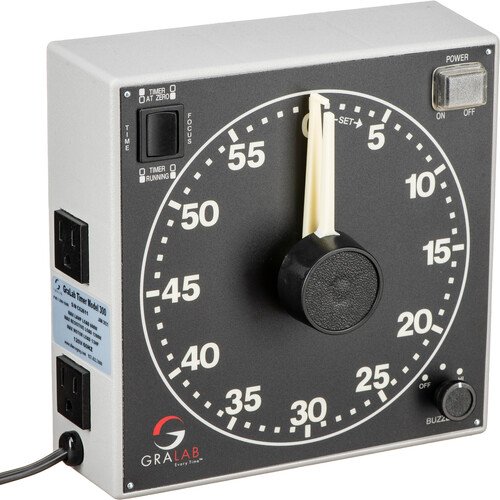
For photographers just beginning to develop their own film, a smartphone equipped with a stopwatch or countdown timer may be perfectly adequate. However, dedicated darkroom timers remain a worthwhile investment for those who process film regularly or prefer equipment designed specifically for the task. Traditional mechanical models offer simplicity and durability, while modern electronic timers provide additional features, often at surprisingly reasonable prices. Whatever method is chosen, timing devices should be protected from chemical splashes and handled with clean, dry hands.
Gralab Model 300: Traditional Darkroom Timer
Where to buy:
Paterson PTP800 Triple Darkroom Timer
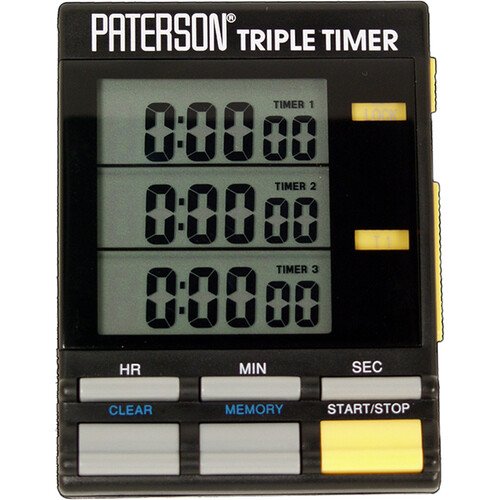
For photographers seeking a more compact and versatile dedicated timer, the Paterson PTP800 offers several useful features. Its three independently controlled timing functions can operate separately or simultaneously, with distinct audible signals to indicate when each interval has elapsed. The unit also provides countdown, count-up, and stopwatch functions, along with a large LCD display and magnetic mounting.
These features make it a practical option for photographers managing several timed processes, particularly those working regularly in the darkroom. While a smartphone remains perfectly adequate for many routine tasks, the Paterson offers the convenience of a purpose-built timing instrument without the bulk of traditional mechanical models.
Where to buy:
Amazon