35mm Film Cameras: An Affordable Starting Point
Getting started in traditional 35mm film photography need not require a substantial investment. The used-camera market offers an extensive selection of affordable, reliable cameras from respected manufacturers such as Nikon, Canon, Pentax, Minolta, and Olympus. Many feature interchangeable lenses and manual exposure controls, providing an excellent opportunity to learn the fundamentals of photography. Whether you’re a student discovering film for the first time or an experienced photographer returning to the medium, a well-maintained 35mm camera offers an appealing combination of versatility, portability, and photographic capability.
Choosing a Used 35mm Camera
Traditional single-lens reflex (SLR) cameras are particularly suitable for beginners because they allow photographers to view the scene directly through the taking lens while controlling exposure and focus. Although each manufacturer developed distinctive features and lens systems, mechanical condition, shutter accuracy, light seals, lens quality, and the availability of compatible equipment should take precedence over brand reputation when purchasing a used camera.
Nikon 35mm Cameras
Nikon has long been respected for its rugged construction, reliable operation, and excellent Nikkor lenses. Among its many manual-focus 35mm cameras, the Nikkormat FT series and Nikon FM and FM2 offer dependable mechanical operation, while the FE and FE2 provide manual exposure control alongside aperture-priority automation. These cameras remain excellent choices for students and photographers seeking traditional photographic controls.
My Nikkormat FT2
My first serious camera was a Nikkormat FT2, a remarkably solid and dependable camera. One particularly useful feature was a small exposure-meter window on the top plate, also found on the Nikkormat FT, FTn, and later FT3 models, as well as the professional Nikon F equipped with certain Photomic viewfinders. This allowed exposure readings without raising the camera to eye level.
For discreet street photography, I could preset focus using the distance and depth-of-field markings on Nikkor lenses and use a small accessory-shoe bubble level to help keep the camera horizontal.
My Nikon FE and FE2
I also own a Nikon FE equipped with an MD-11 motor drive and a Nikon FE2 fitted with an MD-12. Unlike my fully mechanical Nikkormat FT2, both cameras feature electronically controlled shutters, aperture-priority automation, and full manual exposure control. Their motor drives provide automatic film advance, making them particularly convenient for continuous shooting.
Nikon’s F-Mount Lens System
Another advantage of Nikon is its longstanding F-mount lens system, introduced in 1959. Nikon retained the basic bayonet mount for decades, giving photographers considerable flexibility when building a collection of lenses and camera bodies. However, aperture-coupling differences mean that compatibility should always be checked before purchasing older lenses. As with any used camera, mechanical condition, shutter operation, and meter accuracy remain important considerations.
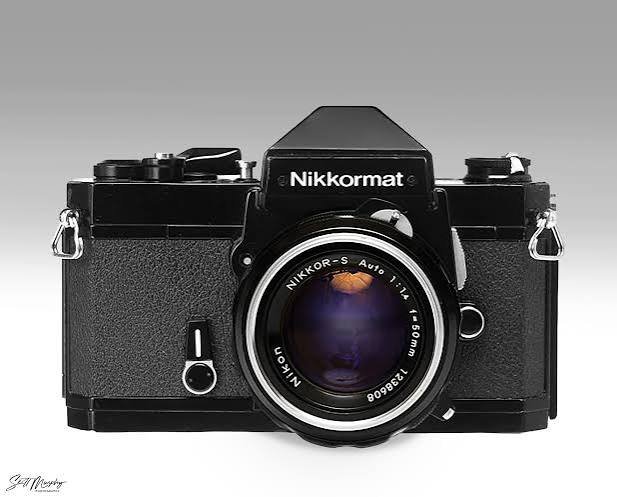
Nikkormat FT2, a rugged mechanical 35mm SLR introduced in 1975.
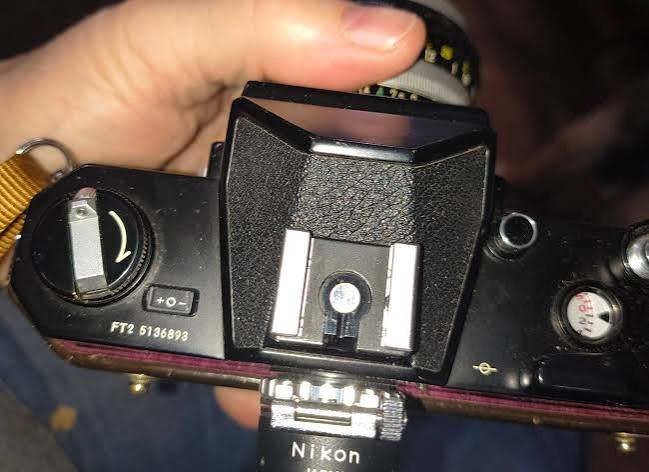
The FT2’s top-mounted meter window allowed exposure readings without looking through the viewfinder.
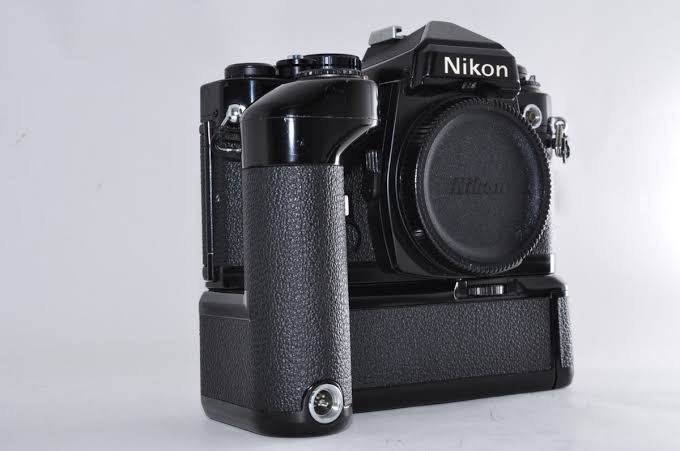
Nikon FE with MD-11
Introduced in 1978, the Nikon FE offers manual exposure control and aperture-priority automation. The optional MD-11 motor drive provides automatic film advance for faster shooting.
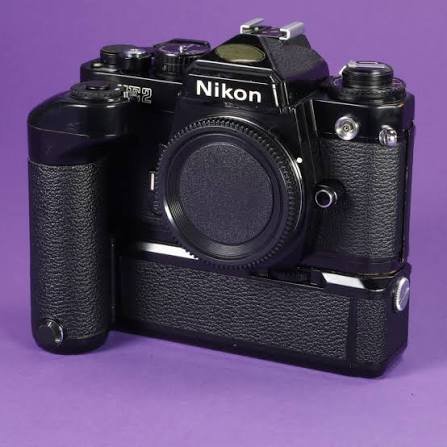
Nikon FE2 with MD-12
Introduced in 1983, the Nikon FE2 features aperture-priority automation, manual exposure control, and a 1/4000-second shutter. The MD-12 motor drive provides automatic film advance.
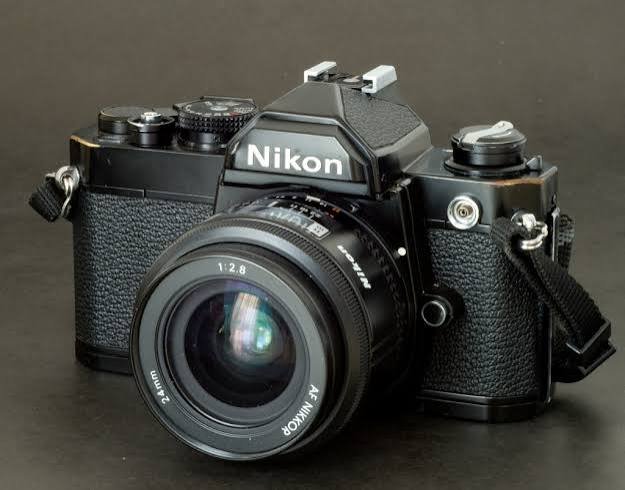
Nikon FM
Introduced in 1977, the Nikon FM is a rugged, fully mechanical 35mm SLR with manual exposure control and a built-in light meter. Its straightforward design makes it an excellent choice for beginners.
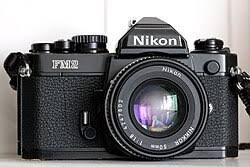
The Nikon FM2, introduced in 1982, improved upon the FM with a faster 1/4000-second mechanical shutter and higher flash synchronization speed, while retaining Nikon’s rugged construction and F-mount lens system.
Beyond these popular models, Nikon also developed an extensive range of professional 35mm SLR cameras, renowned for their durability, precision, and versatility. Many featured weather-resistant seals to protect against dust and moisture, making them particularly suitable for demanding working conditions. These rugged systems helped establish Nikon as one of the leading names in professional photography.
For those interested in purchasing used equipment, reputable dealers such as KEH Camera and Adorama offer selections of pre-owned cameras, lenses and photographic equipment. Both are worth exploring when comparing prices, condition ratings, and availability.
Canon 35mm Cameras
From 1971 through 1990, Canon produced a wide range of manual-focus 35mm SLR cameras using its FD lens mount. These included the F-series, represented by the professional F-1 and the enthusiast-oriented FTb, and the more affordable A-series, designed primarily for amateur photographers, including the AT-1, AE-1, and A-1. In 1987, Canon introduced the modern EOS system, featuring autofocus, electronic controls, and the new EF lens mount, gradually replacing the older FD system.
I owned a Canon AT-1, the manually operated counterpart to the enormously popular AE-1. Its match-needle exposure meter and straightforward controls made it particularly well suited to learning photography. Unlike the mechanical FTb, the AT-1 requires a battery to operate its electronically controlled shutter. All these cameras use Canon’s FD lens system, which offers an excellent selection of quality used lenses.
Owning both a Nikkormat FT2 and a Canon AT-1 allowed me to become familiar with each system and decide which best suited my shooting style. Camera manufacturers understand that photographers develop preferences for a camera’s handling, control placement, and overall feel, often remaining loyal to a particular brand for years. It’s rather like the longstanding rivalry between Ford and Chevrolet owners.
When purchasing a used Canon camera, buyers should consider lens compatibility and carefully examine shutter operation, electronics, light seals, and lens condition. The older FD and newer EF lens systems are not directly interchangeable.
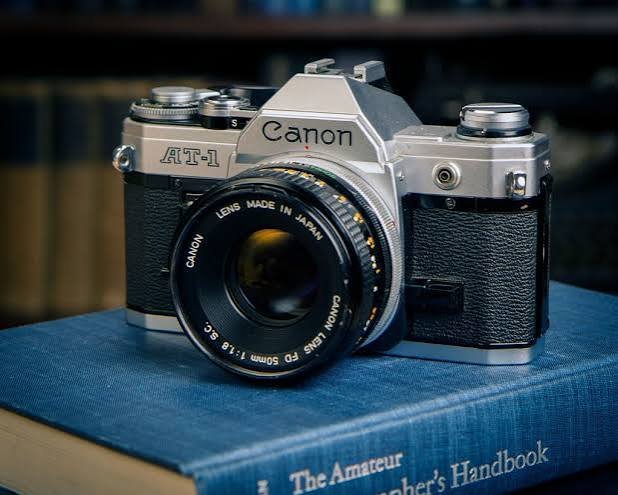
Canon AT-1
Introduced in 1977, the Canon AT-1 features manual exposure control, match-needle metering, and Canon’s FD lens mount. Its simple controls make it an excellent camera for beginners.
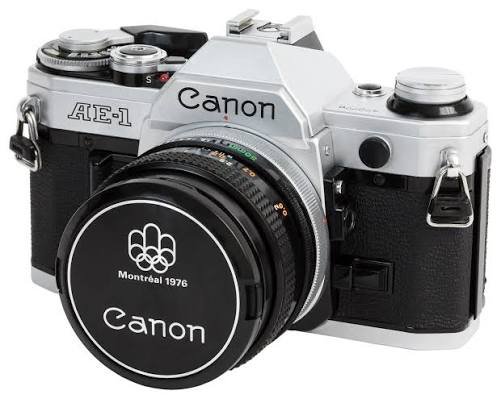
Canon AE-1
Introduced in 1976, the Canon AE-1 combined shutter-priority automation with manual exposure control. Affordable and easy to use, it became a favorite among amateur photographers.
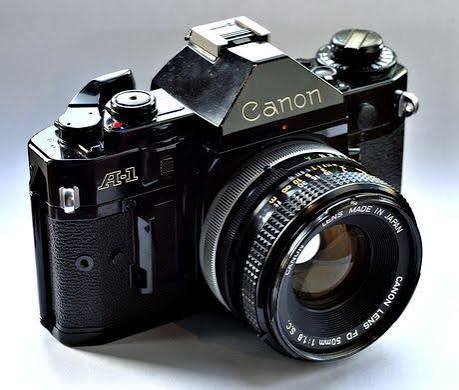
Canon A-1
Introduced in 1978, the Canon A-1 offered multiple automatic exposure modes alongside full manual control. Its advanced electronics made it a versatile choice for serious enthusiasts.
Beyond its popular amateur models, Canon’s professional FD system centered on the F-1 family, including the original F-1, its updated successor, and the New F-1 introduced in 1981. Built for demanding professional use, these cameras offered rugged construction, extensive accessories, and improved protection against dust and moisture in later models. The advanced T90 further demonstrated Canon’s growing expertise in electronic camera design before the transition to EOS.
Where to buy:
Browse used Canon cameras at KEH and Adorama
Pentax 35mm Cameras
Pentax introduced its K bayonet lens mount in 1975 with the K2, KX, and KM, followed by the enormously popular K1000 in 1976. The compact MX and ME models offered smaller, lighter alternatives, while later cameras such as the ME Super introduced more sophisticated exposure controls. These dependable cameras remain excellent choices for beginners, offering a variety of features and access to Pentax’s extensive K-mount lens system.
Pentax’s SMC (Super Multi Coating) lenses are highly regarded for their optical quality. Their multilayer coatings help reduce flare and ghosting while improving contrast. Although Nikon’s Nikkor lenses have traditionally enjoyed greater prestige, I have always considered Pentax SMC lenses exceptional performers, particularly given their more affordable prices on the used market.
Another interesting option is the Pentax ZX-M, also known as the MZ-M, which remained available into the early 2000s. Often sold as a kit with a compact 35–80mm zoom lens, this lightweight camera was particularly well suited to students. It offers manual focusing and full manual exposure control, along with optional automatic exposure modes. Unlike the older mechanical Pentax models, the ZX-M requires batteries to operate its electronic shutter.
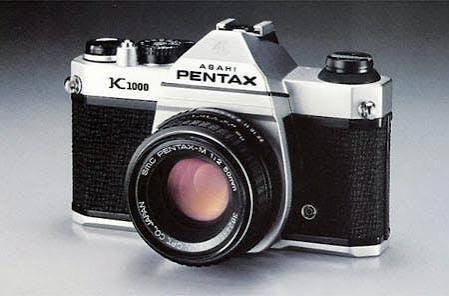
Pentax K1000
Introduced in 1976, the Pentax K1000 is a fully mechanical 35mm SLR with manual exposure control and a built-in light meter. Its simplicity made it a favorite among photography students.
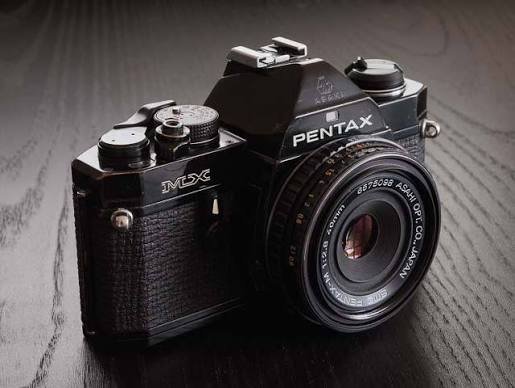
Pentax MX
Introduced in 1976, the Pentax MX is a compact, fully mechanical 35mm SLR featuring manual exposure control and Pentax’s K-mount lens system. Its small size and rugged construction made it a favorite among enthusiasts.
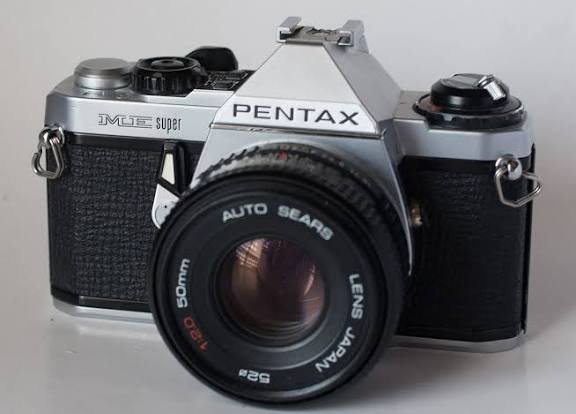
Pentax ME Super
Introduced in 1979, the Pentax ME Super is a compact 35mm SLR offering manual and aperture-priority exposure control with Pentax K-mount lenses.
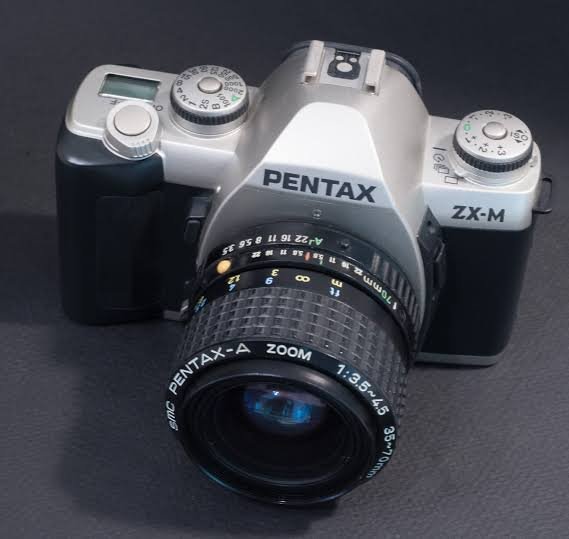
Pentax ZX-M (MZ-M)
Introduced in 1997, the ZX-M features a split-image focusing screen, depth-of-field preview, and automatic film advance. It also offers exposure compensation, autoexposure bracketing, and a built-in self-timer, all in a lightweight package.
Where to buy:
Browse used Pentax film cameras at KEH and Adorama.
Minolta 35mm Cameras
Minolta earned an excellent reputation for producing affordable, reliable 35mm SLR cameras and high-quality Rokkor lenses. Among its most appealing models for photography students are the X-700, X-570, and X-370, introduced during the early 1980s. These lightweight cameras combine full manual exposure control with automatic exposure options, making them particularly suitable for beginners learning traditional film photography.
Introduced in 1981, the Minolta X-700 became one of the company’s most popular 35mm SLR cameras. It offers full manual exposure control, aperture-priority automation, and a programmed exposure mode that automatically selects both shutter speed and aperture. This versatility makes it particularly attractive to beginners who want to develop their photographic skills while retaining the convenience of automatic operation.
The Minolta X-570, introduced in 1983, is another excellent choice for photography students. Although it lacks the X-700’s programmed exposure mode, it offers full manual control and aperture-priority automation. Its useful viewfinder display shows both the selected and metered shutter speeds, making it particularly well suited to learning manual exposure.
Introduced in 1984, the Minolta X-370 provided a simpler, more affordable alternative. Featuring manual exposure control and aperture-priority automation, it delivers the essential functions needed for traditional film photography without unnecessary complexity.
All three cameras use Minolta’s manual-focus SR lens mount, providing access to an extensive selection of excellent MC and MD Rokkor lenses, often available at reasonable prices on the used market. When purchasing these cameras, buyers should carefully examine shutter operation, exposure-meter accuracy, light seals, and electronic functions. All three require batteries to operate their electronically controlled shutters, and age-related electrical problems, particularly failing capacitors, should also be considered.
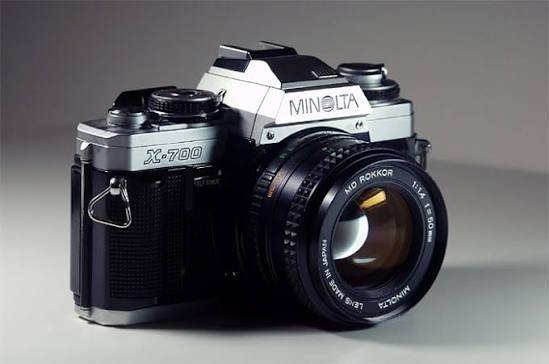
Minolta X-700
With its comfortable handling, informative viewfinder, and excellent selection of Rokkor lenses, the X-700 is a practical camera for photographers developing their skills.
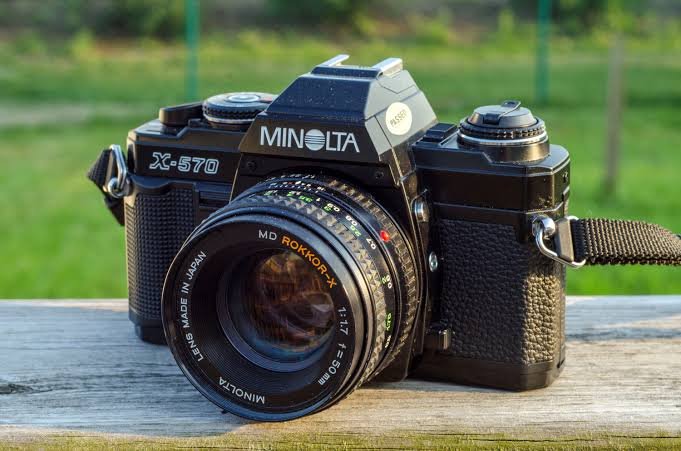
Minolta X-570
The X-570 features exposure lock for challenging lighting conditions and a depth-of-field preview button to check sharpness before shooting. An excellent alternative to the X-700.
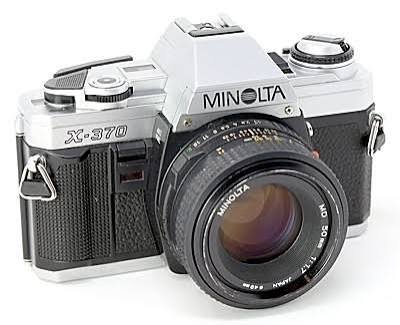
Minolta X-370
Lightweight, uncomplicated, and economical, the X-370 is an appealing choice for students seeking their first interchangeable-lens film camera.
Where to buy:
Browse used Minolta Cameras at KEH and Adorama
Olympus 35mm Cameras
Olympus earned an excellent reputation for producing compact, lightweight 35mm SLR cameras with excellent build quality and precision optics. Among its most popular models, the OM-1, OM-2, and OM-10 offer attractive choices for beginners and enthusiasts seeking reliable, affordable film cameras.
Introduced in 1972, the Olympus OM-1 features a fully mechanical shutter, manual exposure controls, and a built-in light meter. Its compact design, quiet operation, and excellent handling make it particularly appealing for students, travel, and street photography.
The Olympus OM-2, introduced in 1975, retains the OM-1’s compact design while adding aperture-priority automatic exposure and sophisticated through-the-lens metering. Full manual control makes it an excellent choice for photographers who appreciate both convenience and creative flexibility.
Introduced in 1979, the affordable Olympus OM-10 offers aperture-priority automatic exposure in a lightweight, easy-to-use body. An optional manual adapter allows photographers to select shutter speeds themselves, making it an appealing entry-level camera.
Other noteworthy models include the improved OM-2N, the OM-G (OM-20), and the advanced OM-4, which offers sophisticated multi-spot metering.
All these cameras benefit from Olympus’s extensive selection of compact, high-quality Zuiko lenses. When purchasing used equipment, buyers should examine shutter operation, meter accuracy, lens condition, and light seals. Early OM-1 cameras require special consideration because their meters were designed for discontinued mercury batteries. The OM-2 and OM-10 require batteries for shutter operation.
For photographers seeking quality, portability, and traditional photographic controls, the Olympus OM system remains an excellent choice.
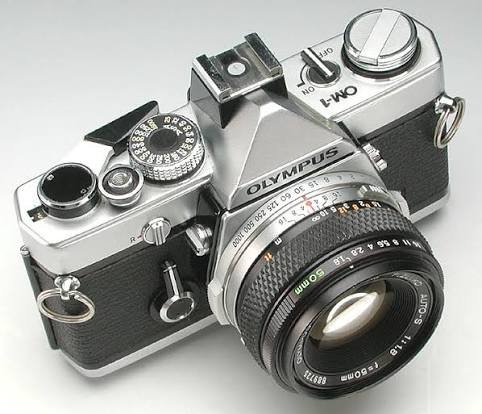
Olympus OM-1
The OM-1 features a shutter-speed control ring around the lens mount and a mirror lock-up mechanism to reduce vibration during tripod photography. A thoughtful design for serious photographers.
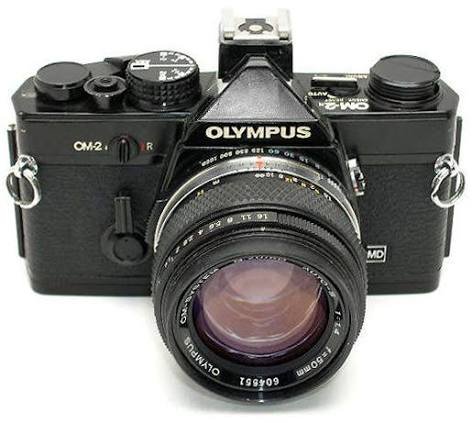
Olympus OM-2
Featuring interchangeable focusing screens, exposure compensation, and compatibility with motorized film advance, the OM-2 offers impressive versatility in a remarkably small camera.
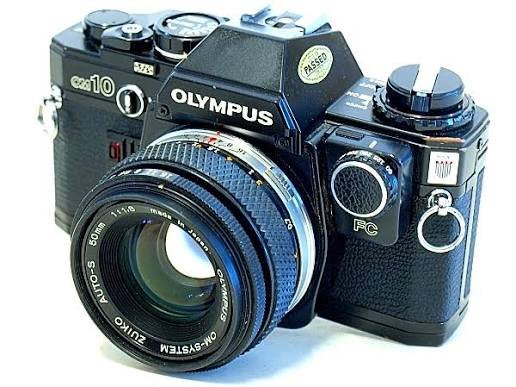
Olympus OM-10
The OM-10 features an LED shutter-speed display in the viewfinder and a built-in self-timer. Its straightforward operation makes it particularly appealing to newcomers to film photography.
Where to buy: Browse used Olympus cameras at KEH and Adorama
Final Thoughts
Choosing your first 35mm film camera is as much about finding a camera that feels comfortable in your hands as it is about selecting a particular brand or model. The cameras discussed here represent only a small selection of the remarkable equipment produced during the heyday of film photography. Many remain capable of producing outstanding photographs decades after leaving the factory, and with proper care, they can continue serving photographers for years to come.
For those who would prefer to purchase a newly manufactured film camera rather than a vintage model, we will also be exploring the options available today in a separate article, “New 35mm Film Cameras.”